Professional Pet Urine & Odor Removal in West Michigan
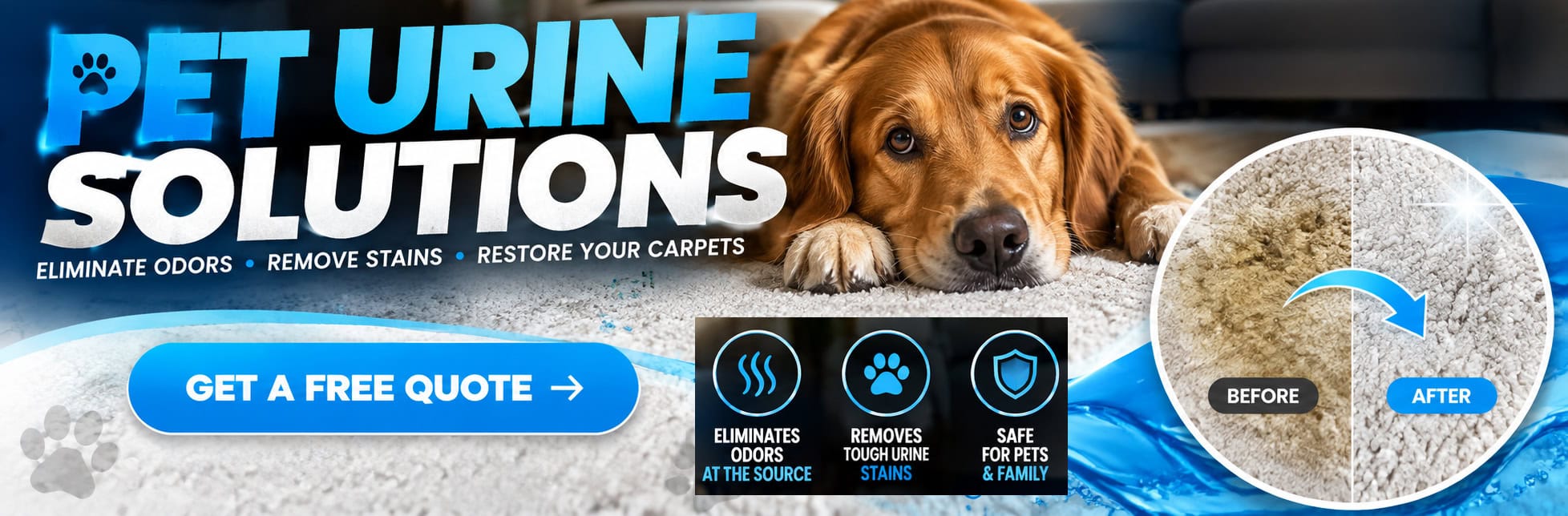
Pet accidents can leave more than a visible spot. When urine reaches the carpet backing or pad, odors can return even after the surface looks clean. Carpet Rescue Pro locates suspected problem areas, recommends an appropriate treatment, and cleans and extracts where the carpet allows.
Need help with an odor now? Call or text (231) 563-8072, or request an estimate below.
Dog urine, cat urine, and repeat accidents each call for a closer look. We identify the affected areas and tailor the treatment to the carpet and the extent of contamination.
If the smell returns after cleaning or becomes stronger in humid weather, urine may have reached the backing, pad, or subfloor. Surface deodorizer alone may not address the source.
Our Advanced Pet Urine Detection and Odor Removal Process
At Carpet Rescue Pro, we don’t simply clean the visible stain and hope the smell goes away. We use a systematic inspection and treatment process designed to locate suspected pet urine contamination, address urine residue, remove contamination through extraction, and treat lingering odors.
How We Find and Treat Pet Urine in Carpet

Step 1: Find Hidden Pet Urine With a Professional Black Light
Many pet urine accidents are not visible under normal lighting. A carpet may look perfectly clean while hidden urine deposits remain in the fibers.
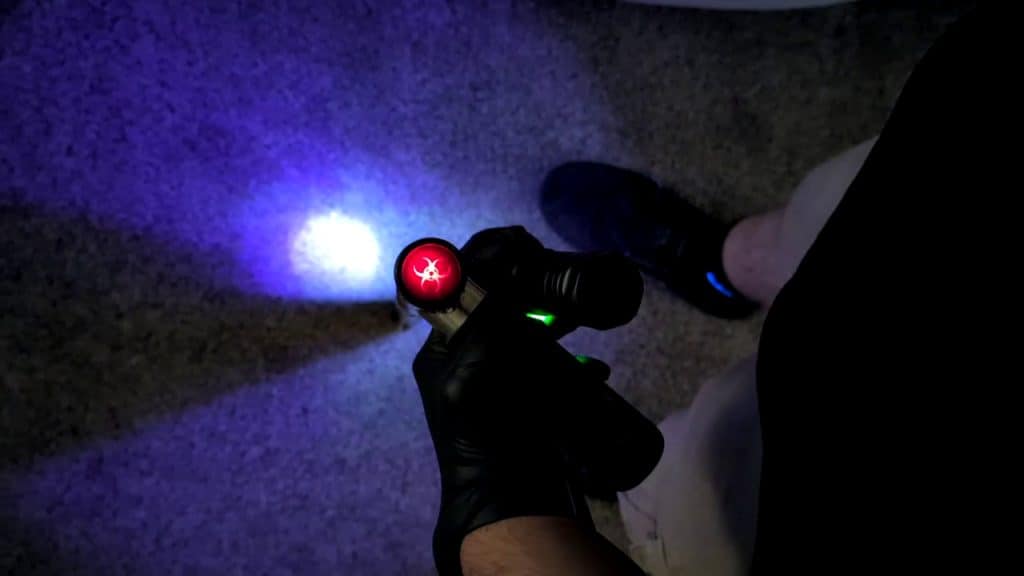
We begin by darkening the room and inspecting the carpet with a professional UV black light. This helps reveal suspected urine staining that may otherwise go unnoticed.
We identify and mark the affected areas so we can focus treatment where it is needed. We also inspect beyond the visible edges of each suspected spot because urine can spread laterally through the carpet and underneath the surface.
A black light is a detection aid, not a definitive urine test. Certain cleaning products and other materials can also fluoresce, so we consider the findings alongside odor, visible staining, and further testing.
Step 2: Test Suspected Areas With the Hydro Shark
After identifying suspected problem areas, we use our Hydro Shark tester to help evaluate conditions beneath the carpet surface.
Dried urine deposits can leave salts and other residue that attract moisture. Depending on the instrument and the conditions, these deposits can contribute to a positive sensor response even when the carpet feels dry.
A flashing red indicator is a signal to investigate the area further. It should be interpreted according to the instrument’s operating instructions and alongside our black-light inspection and other observations. It is not, by itself, proof of urine crystals or confirmation that the pad is contaminated.
Using these inspection methods together helps us better understand the possible extent of contamination and determine whether targeted surface treatment or more extensive subsurface treatment may be necessary.
Step 3: Re-Treat to Address Dried Urine Residue and Crystals
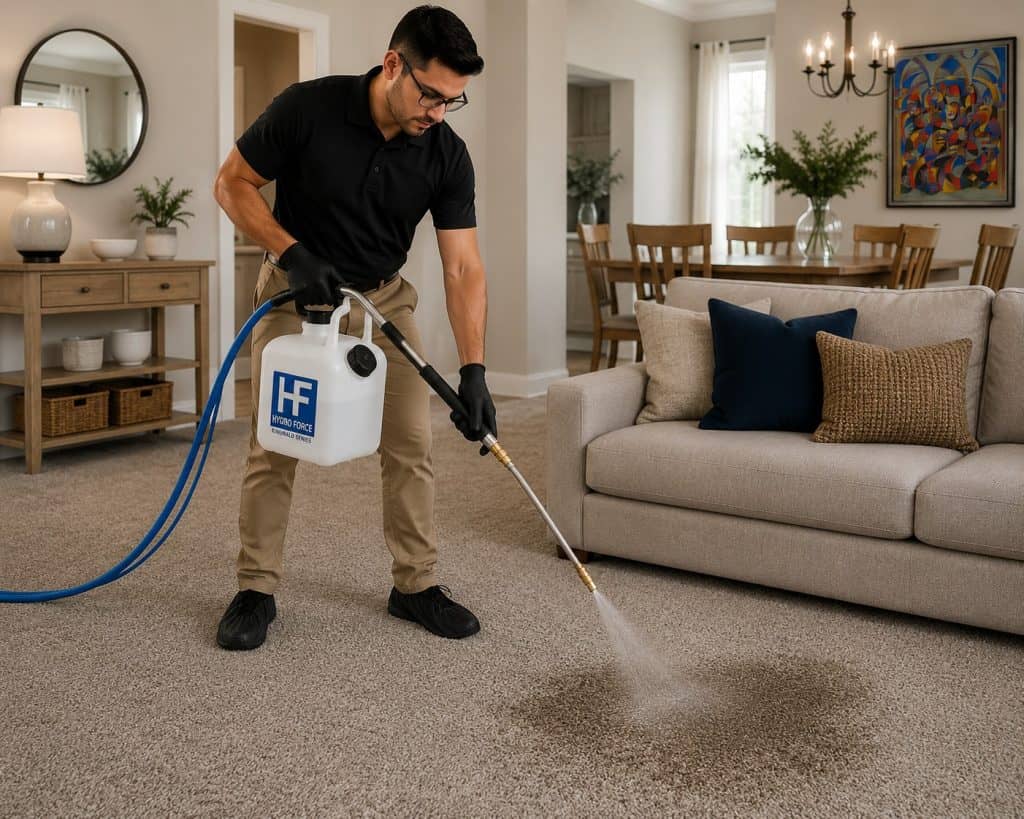
Once the affected areas have been identified and assessed, we select an appropriate professional urine treatment.
Dried urine can leave behind persistent residues, including uric acid and related salts. Simply cleaning the carpet surface may not adequately address these deposits, particularly when urine has penetrated the backing or padding.
Where appropriate, we apply a compatible treatment designed to dissolve, loosen, or break down the remaining urine residue. The product, application method, and dwell time depend on the contamination, carpet construction, and manufacturer’s instructions.
Our goal is to treat the affected material thoroughly enough to make the remaining contamination accessible for removal.
Step 4: Flush and Extract the Contaminated Area
Treatment is only part of the process. The loosened contamination must also be removed as effectively as the carpet construction allows.
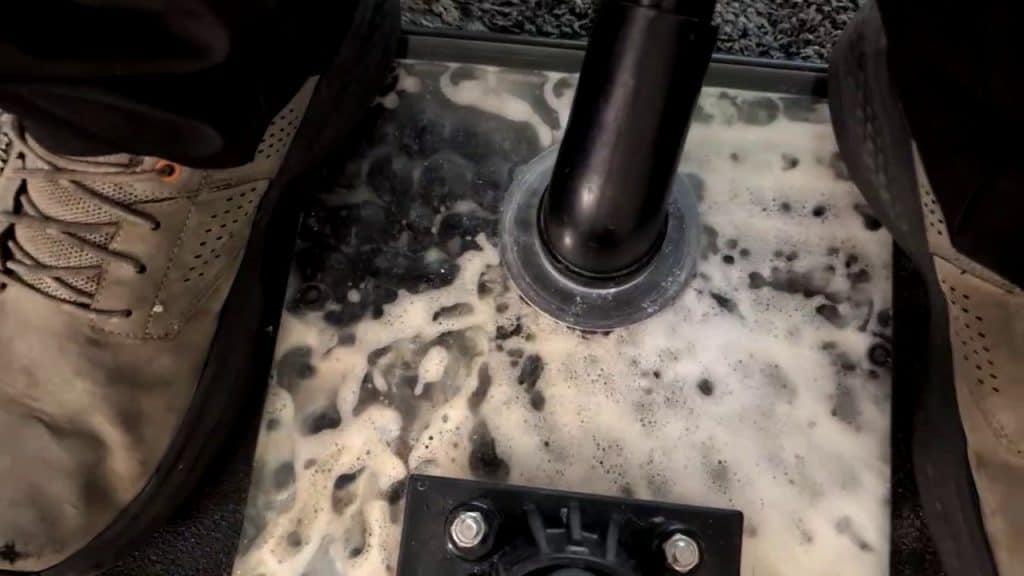
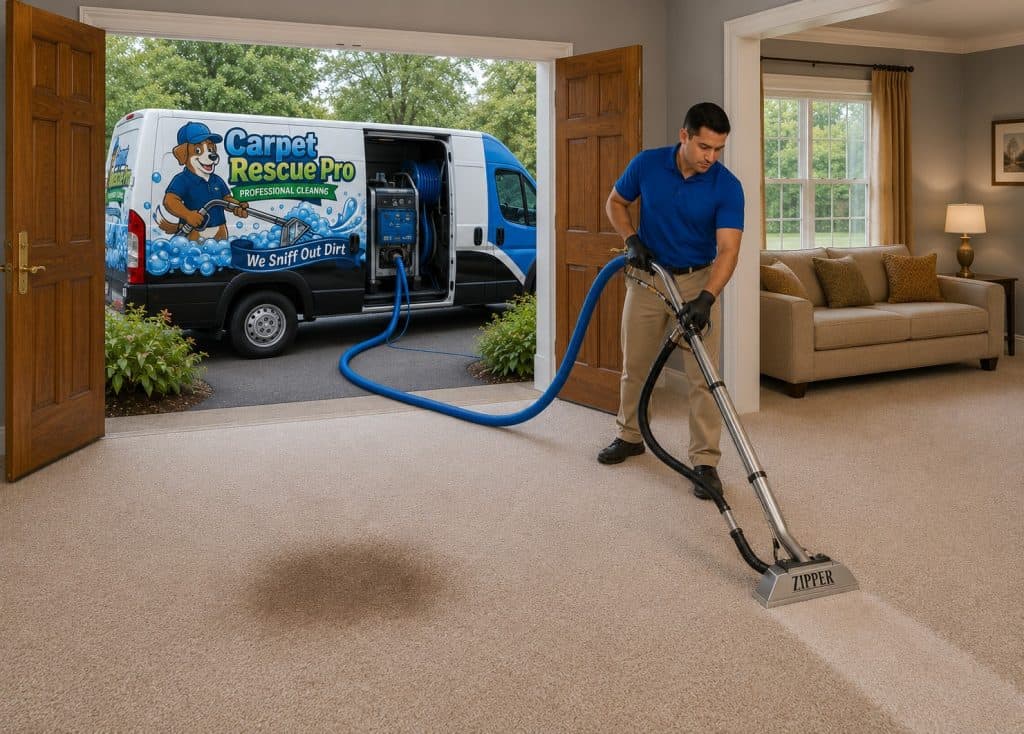
We use appropriate flushing and extraction methods to draw out urine residue, soil, and spent treatment solution. When the contamination extends below the carpet surface, we assess whether a suitable subsurface flushing and extraction method is needed.
The treatment must reach the affected material, and extraction must remove as much of the released contamination as practical.
If urine has penetrated deeply into the padding or subfloor, ordinary carpet extraction may not be sufficient. We explain when additional subsurface treatment, carpet lifting, padding replacement, or other corrective work may be required.
Step 5: Treat the Remaining Odor at Its Source
Once the urine residue has been addressed, we evaluate the remaining odor and choose the appropriate odor-treatment chemistry.
Different odor problems require different approaches.
Enzyme-based treatment: Suitable enzymatic products help break down specific organic compounds associated with pet accidents. Some formulations also contain beneficial microorganisms that help degrade odor-causing organic material. These products need adequate contact time and must be used according to their directions.
Chemical odor neutralization: When appropriate, we use a compatible odor-control product designed to chemically react with or neutralize targeted odor-causing compounds rather than simply covering them with fragrance.
The choice depends on the contamination, the material being treated, and the products previously applied. Not every odor requires the same chemistry, and enzymes should not be expected to dissolve every type of urine crystal or residue.
We select the method most appropriate for the problem and ensure the treatment reaches the affected area.
Step 6: Clean With a Suitable Carpet Detergent
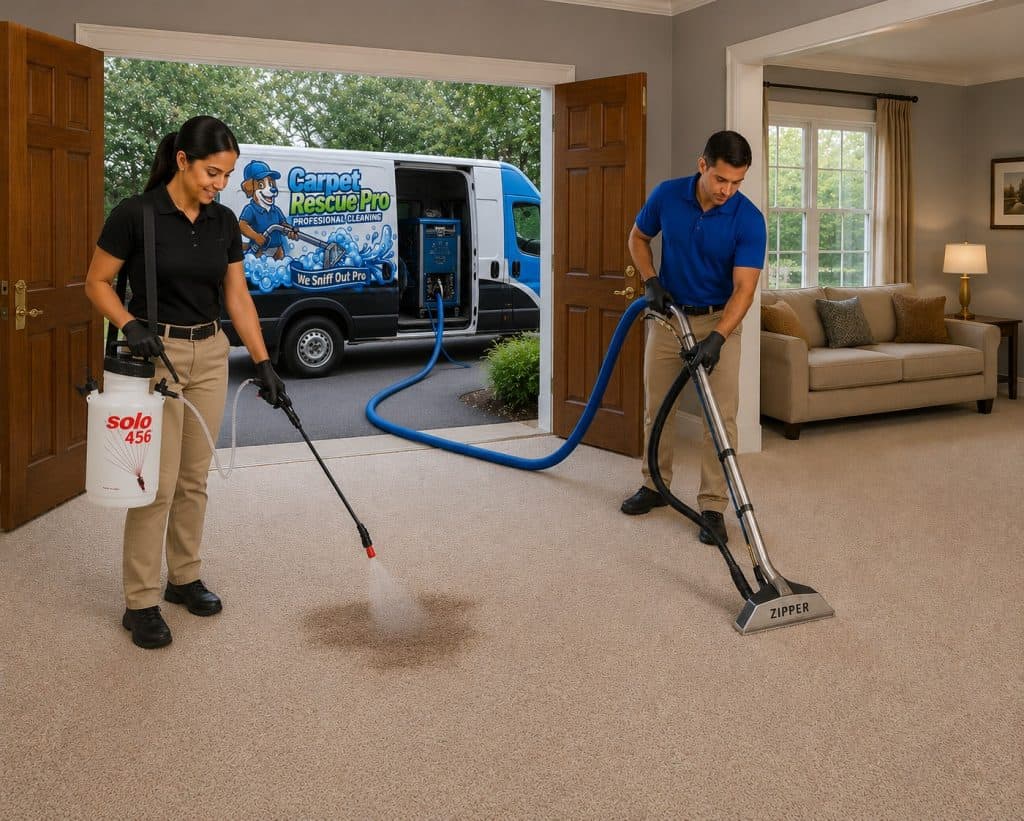
After the specialized urine and odor treatments have completed their intended work, we clean the affected carpet with a suitable detergent and appropriate rinsing and extraction methods.
This step helps remove remaining soil, cleaning residues, and material released during the treatment process.
The detergent and rinse must be compatible with the preceding treatments. Product labels and required dwell times determine the proper sequence, since some chemical combinations can interfere with one another or create unwanted reactions.
Our goal is to leave the carpet as clean as possible while removing unwanted residue rather than leaving the treated area coated with cleaning products.
Step 7: Post-Treat When Necessary
Some situations require an additional targeted treatment after the main cleaning and extraction process.
We reassess the affected areas and determine whether a compatible post-treatment is warranted for any remaining odor concerns or staining.
Post-treatment is based on the results of the cleaning, not automatically applied to every job. If the odor source is still present deep in the padding or subfloor, an additional surface application may not solve the problem. In those cases, we explain the more appropriate corrective options.
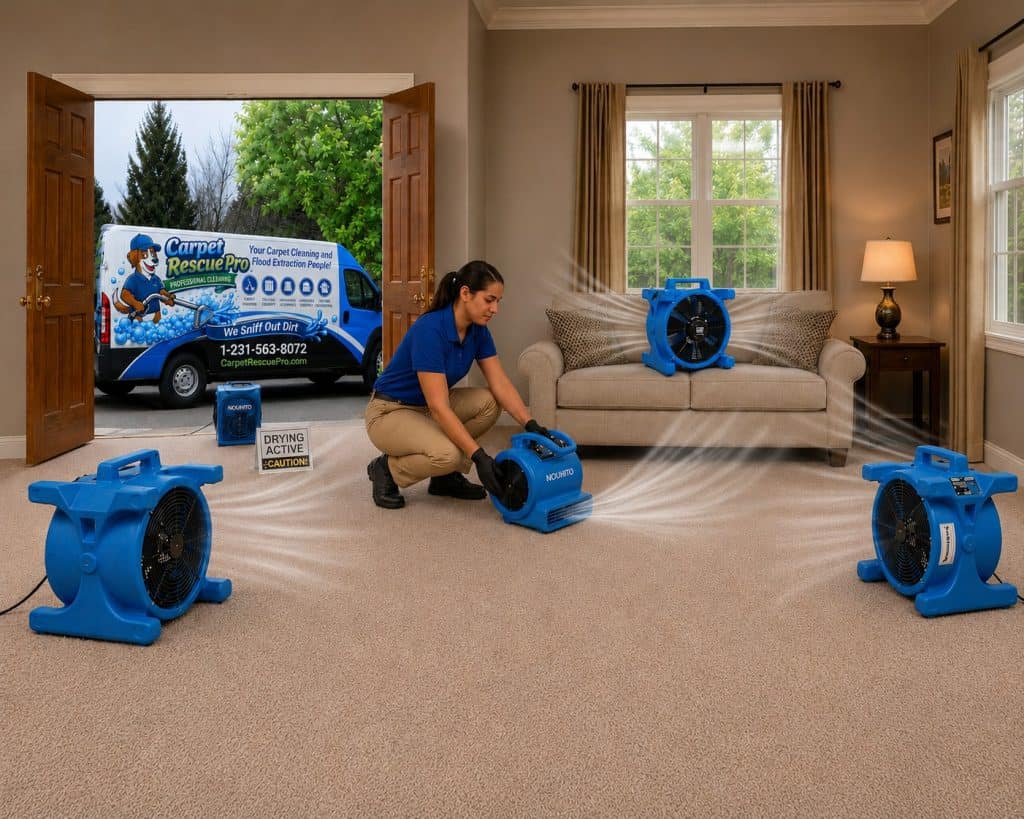
Step 8: Accelerated Drying and Final Assessment
Proper drying is an important final part of our process.
We use appropriate air movement and drying methods to help the carpet dry efficiently. Thorough extraction and controlled drying help reduce the risk of wicking, in which residual dissolved soil or staining moves back toward the carpet surface as moisture evaporates.
Once the area is sufficiently dry, we assess the results and check for any remaining odor concerns. Odor assessment after drying is particularly important because fragrances, moisture, and cleaning products can temporarily affect how an area smells.
Our objective is to leave the carpet clean, properly extracted, and dry, with the pet urine odor addressed as thoroughly as the condition of the carpet and underlying materials allows.
If contamination has permanently discolored the carpet or reached materials that cannot be adequately treated in place, we explain those limitations and recommend the appropriate next step.
What Pet Urine Treatment Can—and Cannot—Do
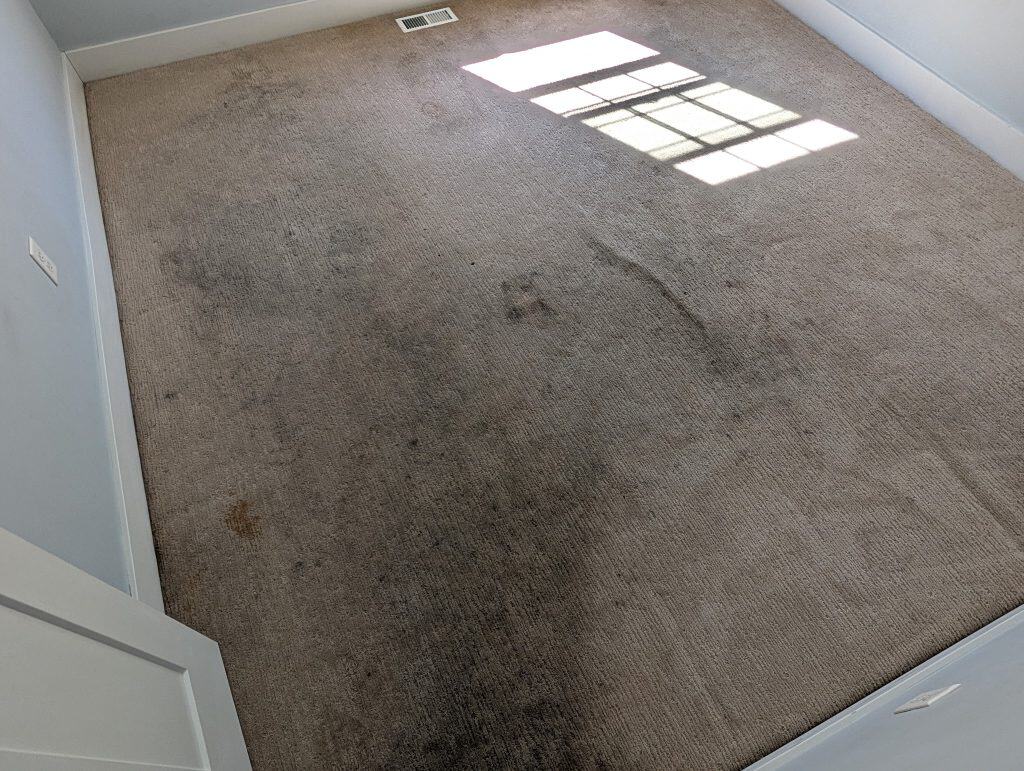
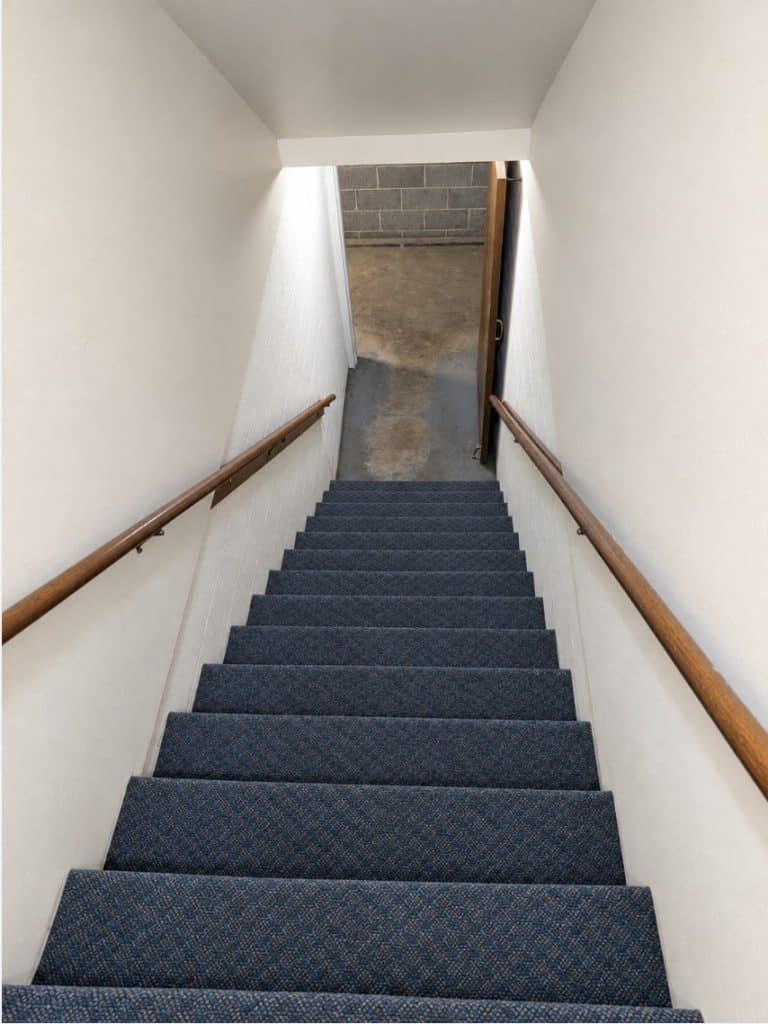
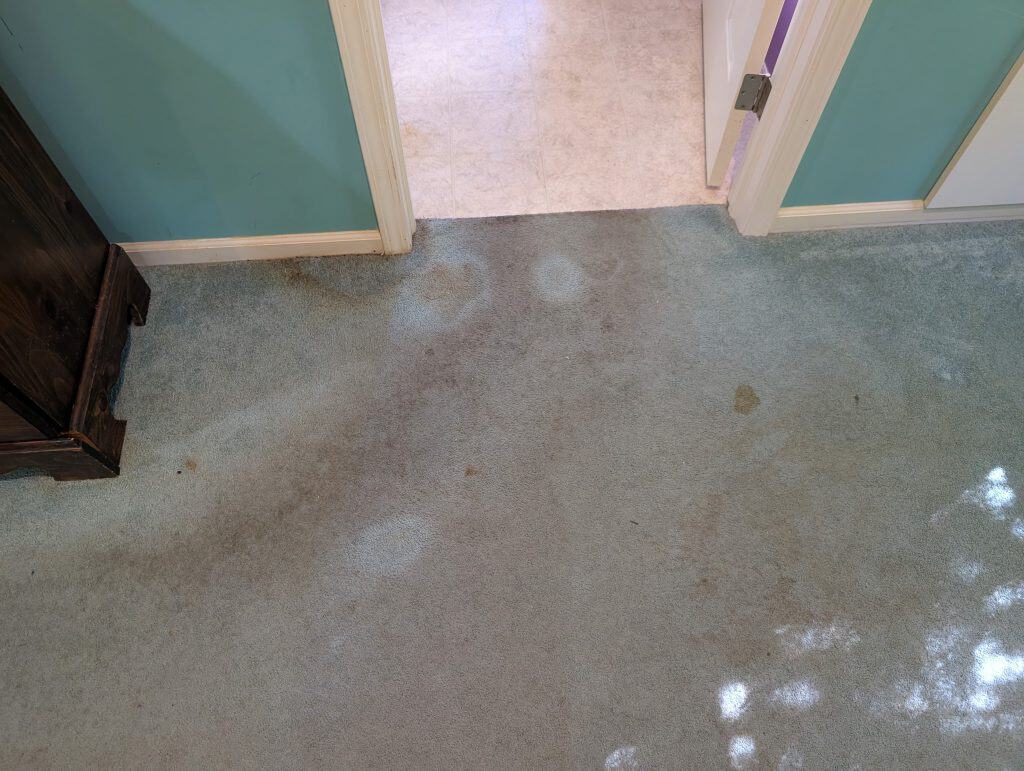
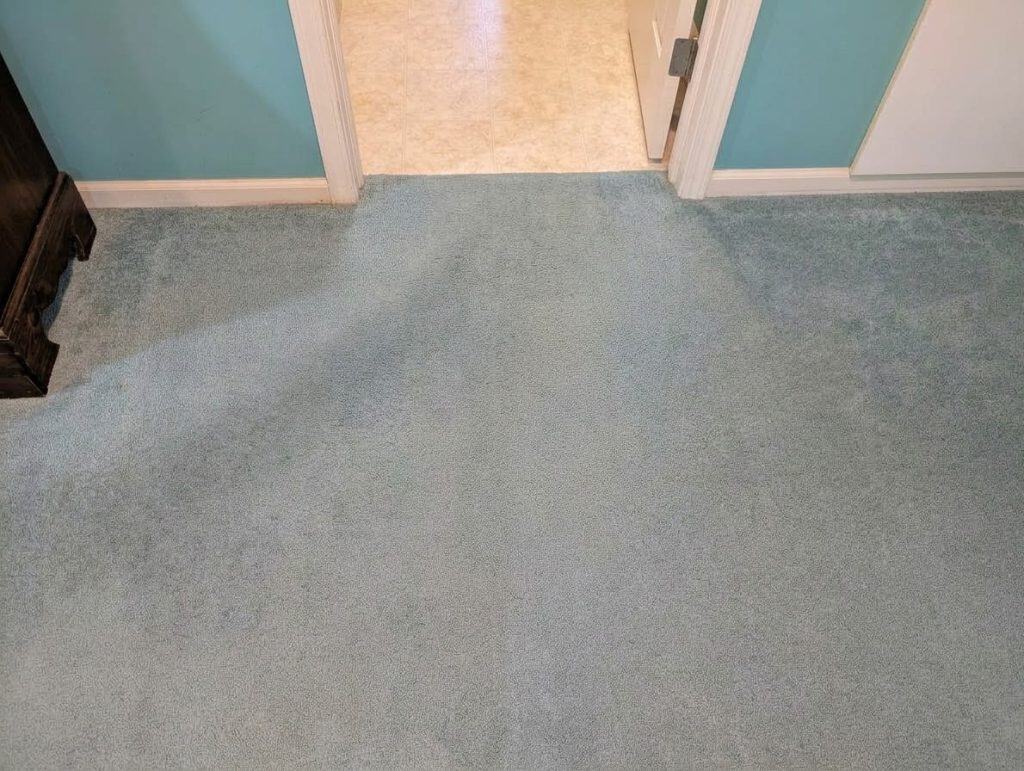
Pet urine odors can hide beneath a carpet that looks clean. The images below illustrate why an inspection matters; they are not a pet-urine before-and-after claim.
The Hidden Problem
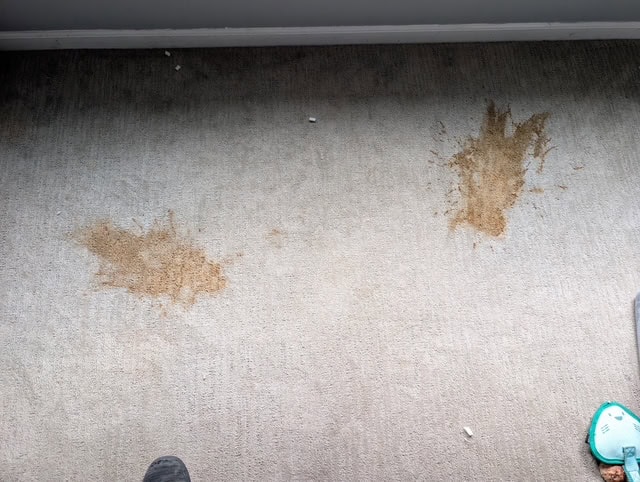
A dog or cat accident can soak past the surface into the backing or pad. Even when the visible spot fades, odor may return if residue remains below the fibers.
A Practical Treatment Plan
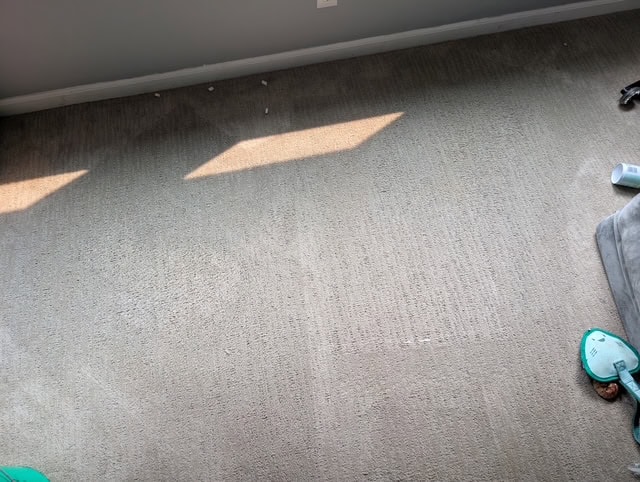
We locate suspected areas, explain the likely depth and treatment options, then clean and extract where appropriate. We are upfront when padding or subfloor work may be needed and when an old stain may remain.
Carpet Care Gallery
BEFORE
AFTER
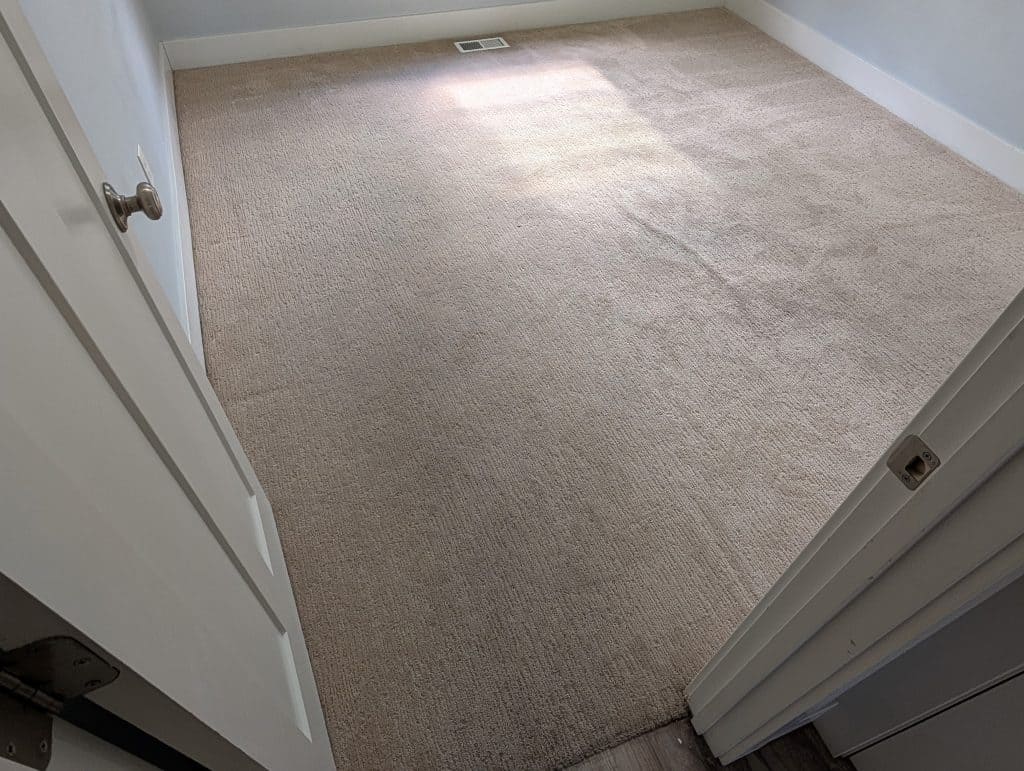
BEFORE
AFTER
BEFORE
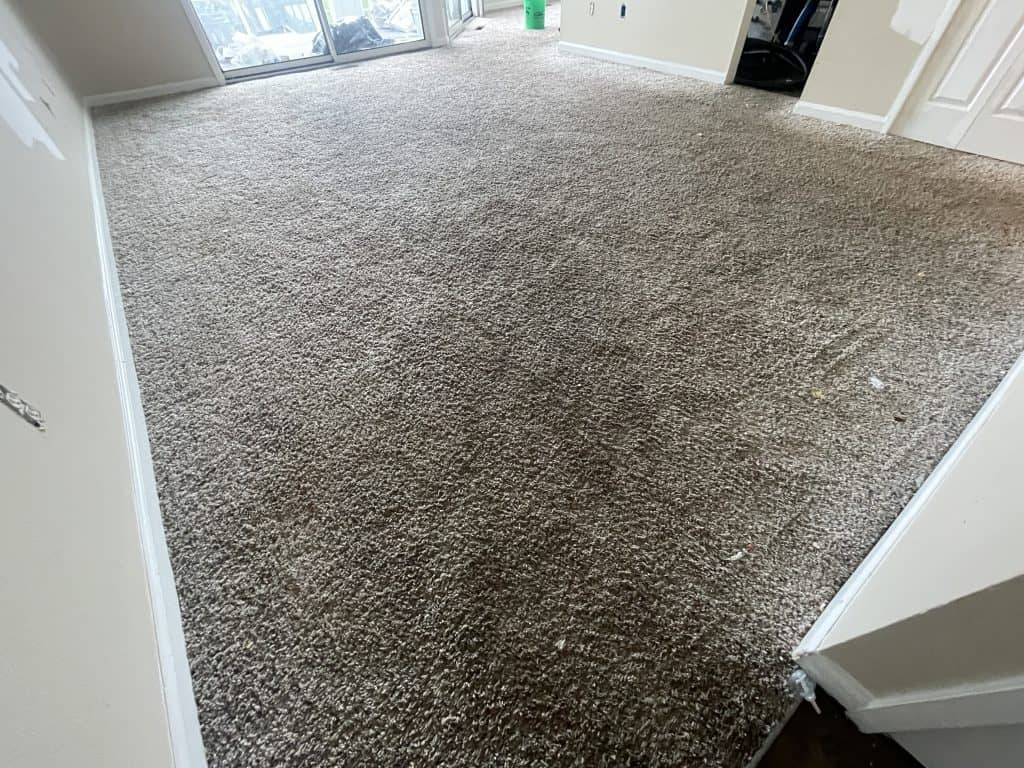
AFTER
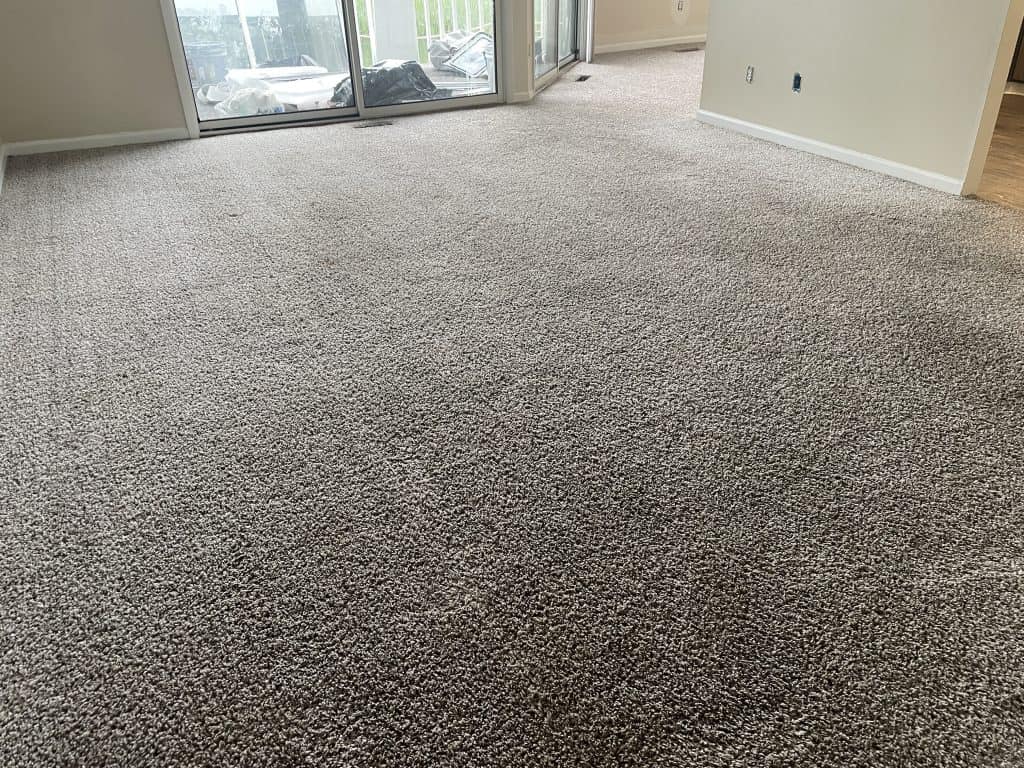
BEFORE
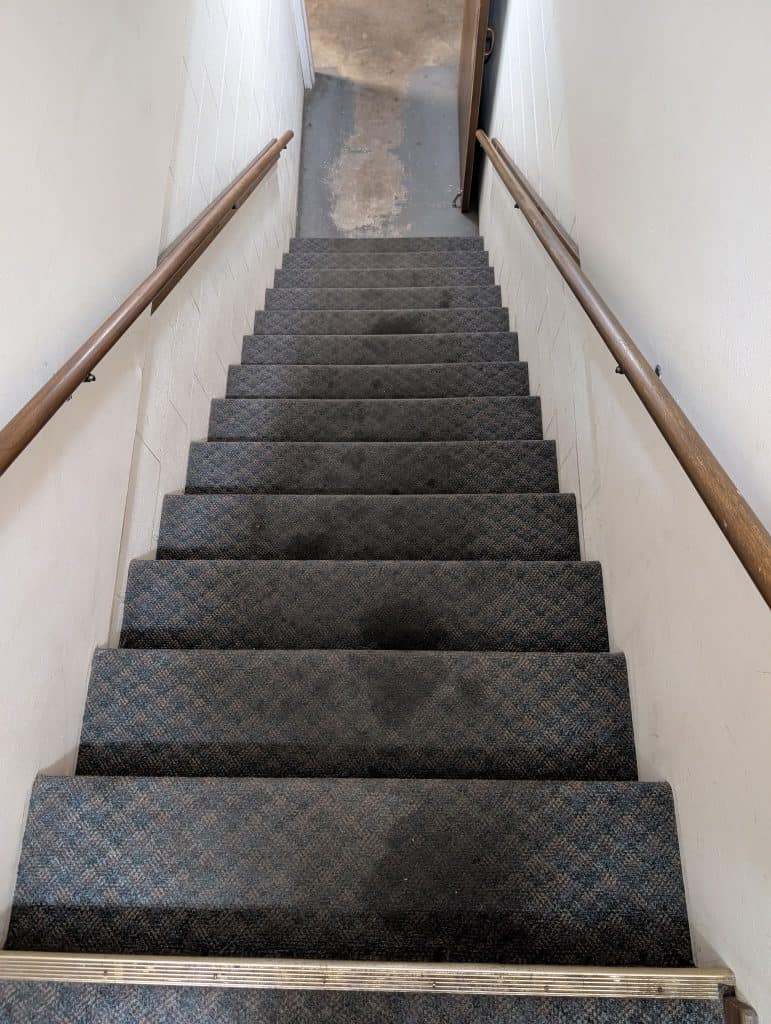
AFTER
BEFORE
AFTER
Tell Us About the Pet Accident
Pet Urine & Odor Removal Across West Michigan
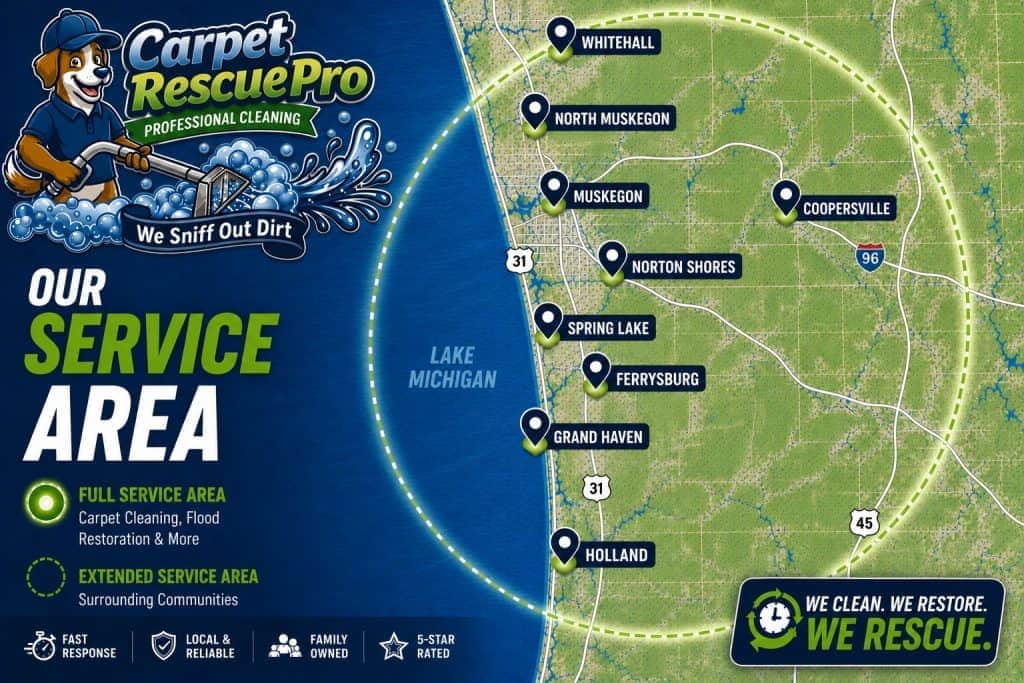
Carpet Rescue Pro is based in Norton Shores and serves Muskegon, North Muskegon, Fruitport, Grand Haven, Spring Lake, Ferrysburg, Whitehall, Montague, Coopersville, and nearby West Michigan communities. Not sure whether your address is in our service area? Call or text (231) 563-8072 and we will confirm availability.
We help homeowners with dog and cat urine spots, recurring carpet odors, and stains. Some areas respond to targeted treatment; others need a broader plan or attention below the carpet. After inspection, we explain the recommended scope, limitations, and estimate before work begins.
To get started, tell us what you have noticed: the pet involved, affected rooms, how long the odor has been present, and whether it returned after prior cleaning. Photos can help if available.
Pet Urine & Odor Removal FAQs
Can you remove dog or cat urine smell completely?
Sometimes, but no honest cleaner can promise complete odor removal in every case. The result depends on how much urine is present, how long it has been there, and whether it reached the pad or subfloor. We inspect first and explain the realistic options.
How do you find old or hidden urine spots?
We combine your observations with a visual inspection and, where useful, a UV light and Hydro Shark tester. These tools help narrow down suspected areas; neither conclusively identifies urine or proves how deep it traveled.
Why does the odor return when it is humid?
Moisture can make remaining urine residue or deeper contamination more noticeable. If the odor returns after the surface dries, the backing, pad, or subfloor may need further assessment.
Can you remove an old pet stain?
We can often improve a pet stain, but age, dye change, fiber type, and products used previously affect the result. Some discoloration is permanent even when the area has been cleaned.
How is pet urine treatment priced?
Pricing depends on the number and size of affected areas, severity, carpet condition, and whether deeper materials need attention. We inspect the problem and explain a tailored estimate before work begins.
How long will the treated carpet take to dry?
Drying time varies with the treatment, carpet construction, airflow, and humidity. We may use air movers to help speed the process and will give care instructions for the treated area.
Is one visit always enough?
Not always. We reassess after treatment and drying. Heavy or repeated accidents may need more work, and severe pad or subfloor contamination may require a different solution.
Is the treatment safe for pets and children?
We choose products appropriate to the carpet and follow their use instructions. Keep people and pets off treated areas until we say they are ready for normal use, and tell us about any sensitivities before we begin.
Ready to Get to the Source of the Odor?
Tell Carpet Rescue Pro where the pet accidents happened and whether the smell keeps returning. We will inspect the area, recommend a practical treatment, and be clear about what cleaning can and cannot do.